What to Know Before Buying New Construction in St. Johns County, FL (2026)
May 9, 2026
May 9, 2026
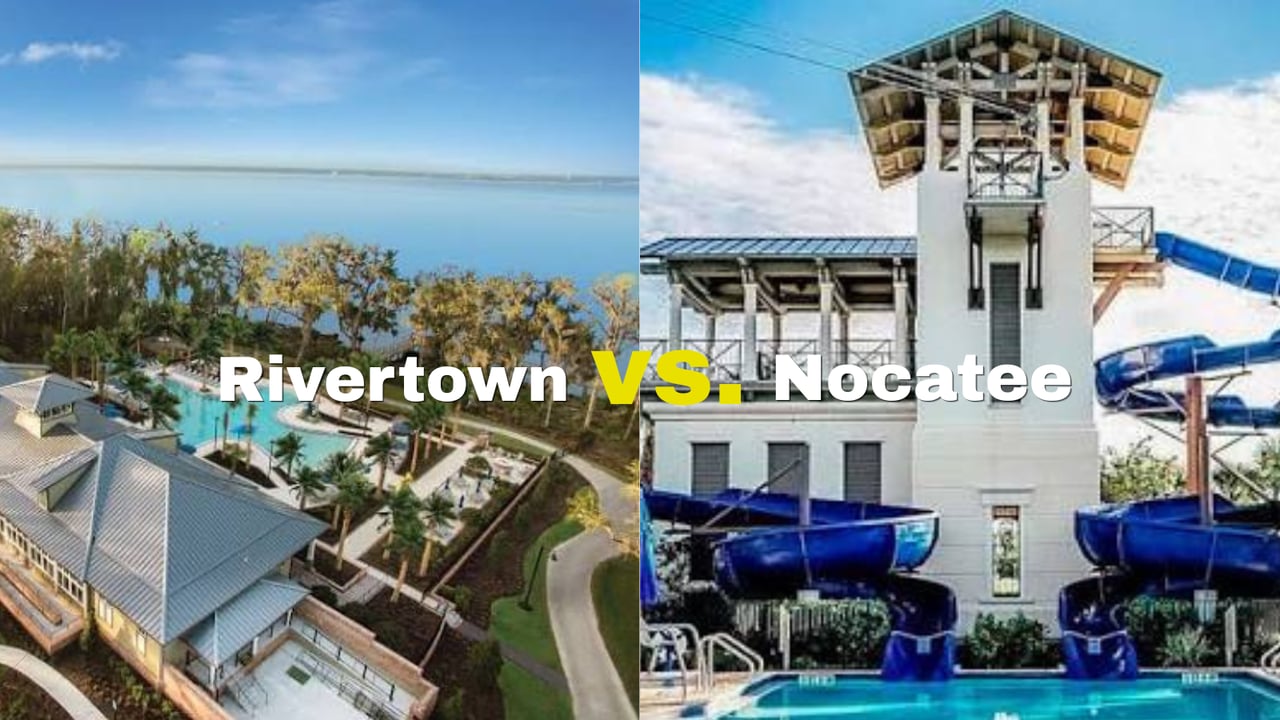
New construction is everywhere in St. Johns County right now — and it’s easy to see why. Communities like Nocatee, Shearwater, SilverLeaf, Rivertown, and TrailMark are actively building, which means families relocating to this area have genuine opportunities to choose their floor plan, their lot, and their finishes before anyone else has lived in the home.
It’s exciting. And it can also be one of the most misunderstood buying experiences out there.
New construction is not the same as buying a resale home. The process is different. The contract is different. The negotiation is different. And the risks — if you walk in without understanding them — are very real.
I help families navigate new construction purchases in St. Johns County, and the questions I hear most often are almost always the same. So I’m putting the answers in one place. Here’s what you actually need to know before you walk into a model home.
This is the single most important thing to understand before you visit a single model home.
When you walk into a builder’s sales office, the agent sitting across from you represents the builder’s interests. They are professional, friendly, and genuinely knowledgeable about the product — but their job is to sell the builder’s homes at the builder’s terms. They cannot advocate for you, flag concerns on your behalf, or negotiate against their own employer.
Having your own real estate agent with you — from the very first visit — costs you nothing. Builder commissions are built into the home’s pricing structure, and your agent is compensated by the builder. What you gain is someone whose entire job is to look out for your interests throughout the process.
Important: Most builders require that your agent be present or registered on your very first visit to receive compensation. If you visit a model home without your agent first, you may lose the ability to have representation at no cost to you. Always bring your agent from day one.
Builder contracts are lengthy, detailed, and written by the builder’s legal team. They are not the standard Florida Realtors contract you’d see in a resale transaction. They are written to protect the builder’s interests — which means they include provisions that may surprise you if you’re not prepared.
Common things to watch for in builder contracts:
Earnest money that is non-refundable, or becomes non-refundable at certain milestones
The builder’s right to change materials, finishes, or specifications if their preferred options become unavailable
Limited warranty language that defines exactly what is and isn’t covered — and for how long
Clauses that allow the builder to extend the closing date without penalty
Preferred lender incentives that may or may not be the best deal available to you
None of this means you shouldn’t buy new construction — it means you should read the contract carefully, ask questions, and have someone in your corner who has reviewed these documents before.
Many buyers assume that new construction pricing is fixed. It’s not — but the negotiation looks different than it does with a resale home.
Builders in St. Johns County are generally protective of their base prices because they need to maintain consistent values across the community. Dropping the price for one buyer affects the comparable sales for every other home they’re selling. So price cuts are less common, especially in communities with strong demand.
What builders will often negotiate:
Closing cost contributions
Upgrades from the design center — flooring, cabinets, countertops, appliances
Lot premiums on certain homesites
Rate buydowns or financing incentives through their preferred lender
Fencing, gutters, or other add-ons that aren’t standard
The leverage you have depends on where the builder is in a particular phase of the community. Understanding that timing is part of what a good agent brings to the table.
If you’re buying in a master-planned community in St. Johns County, you will almost certainly encounter a CDD fee — a Community Development District assessment. This is one of the most misunderstood aspects of buying in this area, and it’s important to understand it clearly before you make an offer.
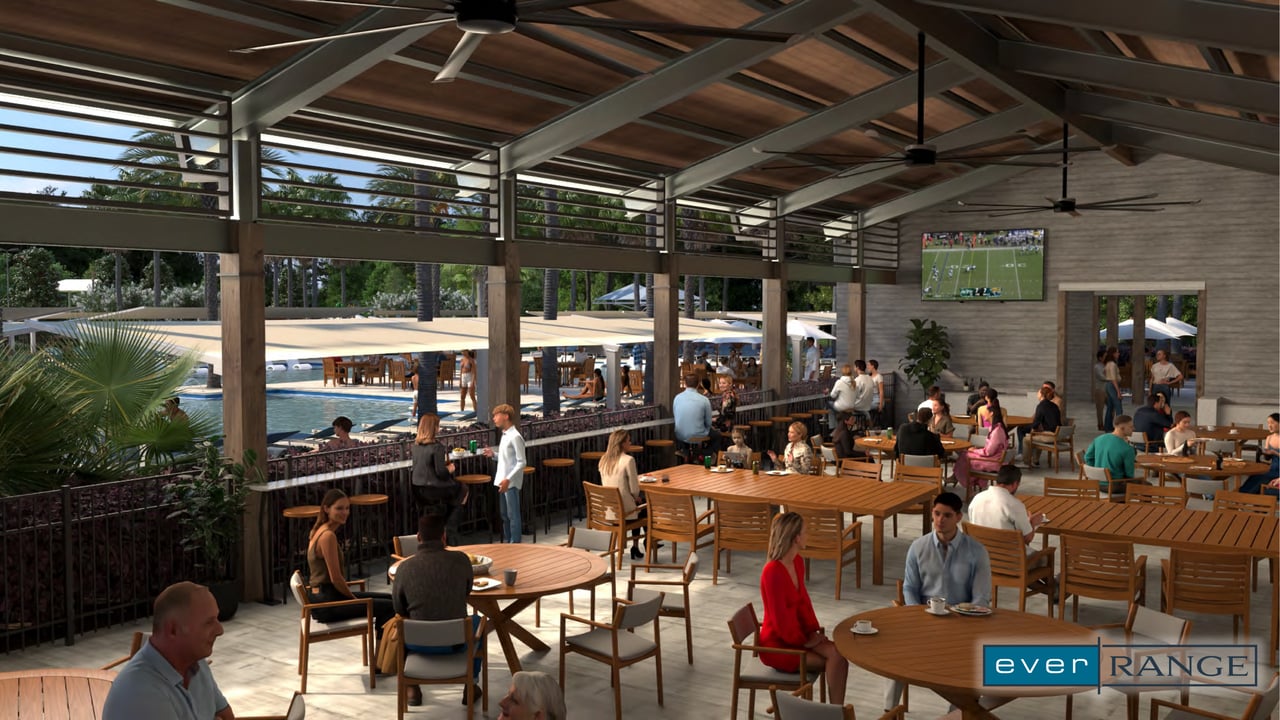
A CDD is a special district created to fund the infrastructure and amenities of a community — roads, utilities, parks, pools, and common areas. The cost of building those amenities is bonded and repaid over time by the homeowners within the district, through an annual assessment that appears on your property tax bill.
What this means practically:
Your annual tax bill will include both your standard property taxes and your CDD assessment
CDD fees can range from a few hundred to several thousand dollars per year depending on the community and the phase
The debt portion of a CDD can be paid off early in some cases — ask about this
CDD fees are separate from HOA fees, which also apply in most of these communities
Neither CDDs nor HOAs are inherently bad — they fund the amenities that make these communities desirable. But you need to know the full monthly and annual cost of ownership before you fall in love with a floor plan.
Always ask: What is the estimated annual CDD assessment? What is the HOA fee? Are there multiple HOA layers (master + sub-association)? What do they cover?
A common misconception: new construction doesn’t need a home inspection because everything is new. This is not accurate.
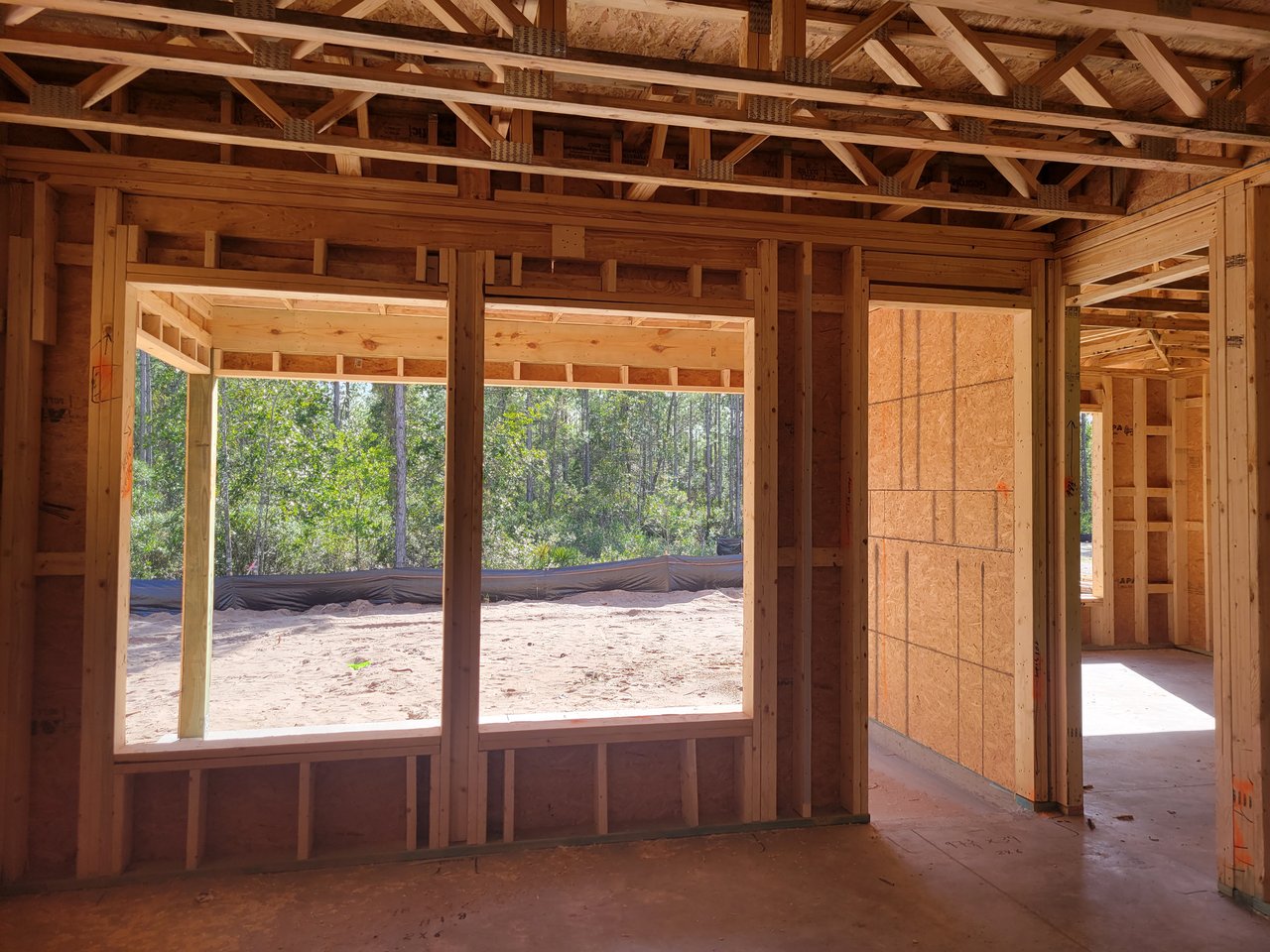
New homes can have construction defects, code compliance issues, improper installations, and workmanship problems — especially in a high-growth market where builders are moving quickly and subcontractors are in high demand. A third-party inspection by a licensed home inspector gives you an objective assessment of the home’s condition before you close.
There are actually three smart points in the process to schedule an inspection:
A final inspection — once the home is complete and before you close
Many builders will push back on this or tell you it’s unnecessary. A good agent will help you navigate that conversation and make sure your right to inspect is clearly addressed.
If you’re building from the ground up, you’ll be given an estimated completion date. Treat it as a range, not a hard deadline.
Supply chain issues, permitting delays, labor availability, and weather all affect construction timelines. Most builders build buffer language into their contracts that allows them to extend closing without penalty. Delays of weeks — and sometimes months — are not unusual.
What this means for you practically:
If you’re relocating from out of state, plan your lease end dates and moving arrangements with flexibility built in
Lock in your mortgage rate strategically — rate locks have expiration dates, and you don’t want to be re-locking repeatedly as the build extends
Stay in regular communication with your builder contact about timeline updates
Don’t schedule moving trucks based on the original estimated close date
None of this should discourage you from building — the ability to customize a home is a genuine benefit that resale can’t offer. You just need to plan for flexibility.
Not every new construction purchase involves a 6–12 month build timeline. Most builders in St. Johns County maintain a selection of quick move-in homes — also called spec homes or inventory homes — that are already under construction or complete and ready to close within 30–90 days.
These homes may have already had design selections made by the builder, which means less customization opportunity. But they also offer:
A faster path to closing if your timeline is compressed
The ability to see exactly what you’re getting before you sign
Potentially more negotiating flexibility, since the builder has carrying costs on a completed home
If you need to be in a home within a specific window, quick move-ins are absolutely worth exploring alongside build-to-order options.
New construction in St. Johns County is a genuinely exciting opportunity — and it’s one I love helping clients navigate. These communities are well-designed, the builders are reputable, and the lifestyle you’re buying into is real.
But the process rewards preparation. Knowing what questions to ask, understanding the contract before you sign it, and having someone advocating for your interests throughout makes a meaningful difference in both your experience and your outcome.
If you’re considering new construction in any of the St. Johns County master-planned communities — or just starting to research the area — I’d love to be a resource for you. There’s no pressure and no obligation. Just honest answers and a commitment to helping you make the decision that’s right for your family.
Let’s Talk About Your Move
Whether you’re six months out or just beginning to explore, I’m here to help you navigate Northeast Florida’s new construction market in a way that feels informed and steady — never overwhelming.
Stay up to date on the latest real estate trends.



Whether you're buying your first home, upgrading, or investing, Lorilei ensures you get the best options and the right deal. With a personalized approach, you’re guided every step of the way—from property search to closing—making the entire process smooth and stress-free.