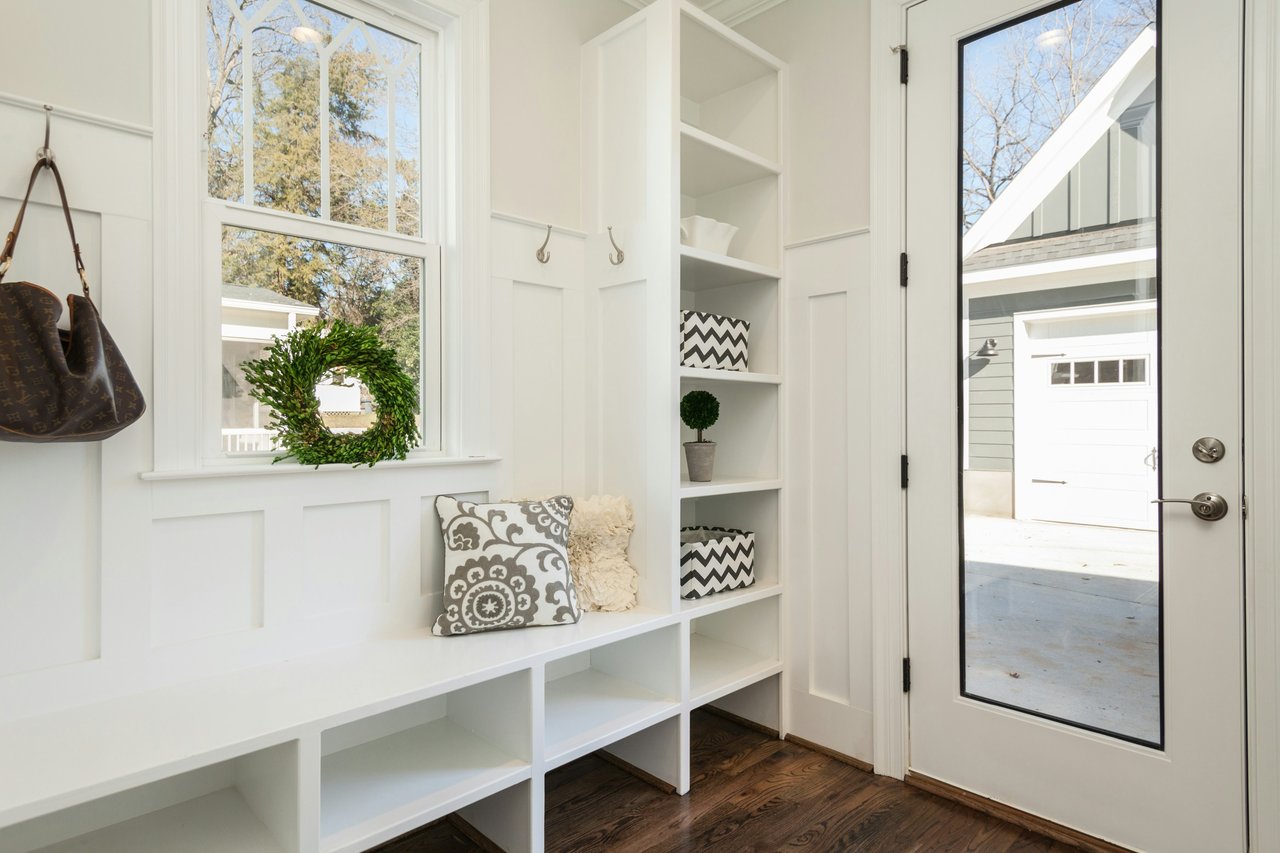
Selling Resale in a New Construction Market: How to Compete and Win in Northeast Florida
May 11, 2026
May 11, 2026
If you’re selling a resale home in a Northeast Florida master-planned community, you already know the landscape: down the street, builders are opening new model homes, offering design center incentives, and marketing aggressively to the same buyers you’re trying to reach.
It can feel like an uphill battle. But here’s what I’ve seen time and again working across Nocatee, Shearwater, RiverTown, TrailMark, Beacon Lake, and the surrounding communities: resale homes don’t just compete with new construction — they often win. Not by accident, and not by luck. They win because the sellers understood their advantages, positioned their home correctly, and priced it strategically.
This post is about how to do exactly that.
First, Understand What You’re Actually Competing Against
Before you can compete effectively, you need to understand what the new construction buyer experience actually looks like.
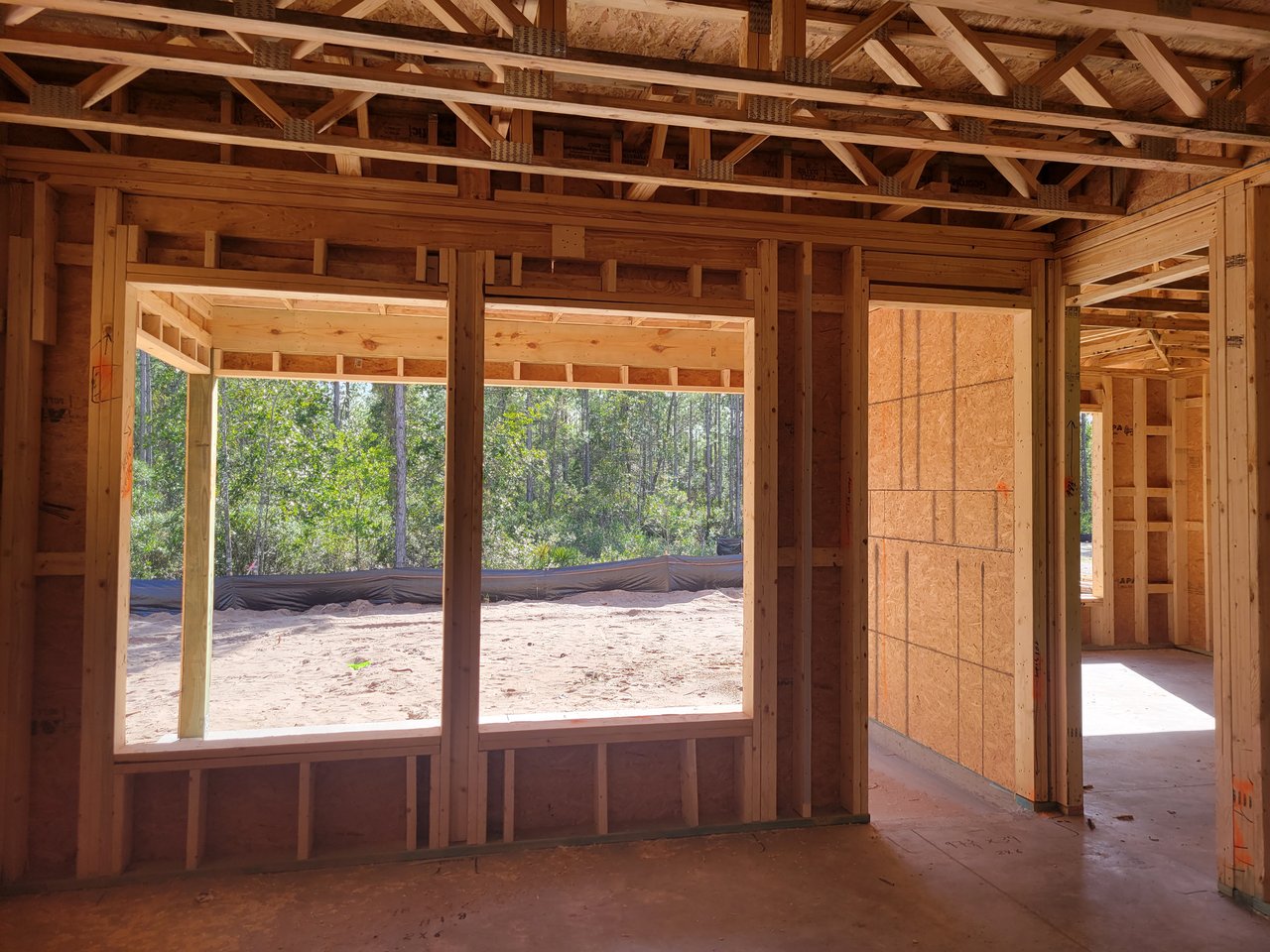
Buyers who choose new construction are stepping into a process that involves builder contracts written to protect the builder, design center upgrades that add up fast, construction timelines that stretch and shift, a dirt yard where a lawn used to be, and a closing date that may be six to twelve months away. They’re also walking into a home where the appliances, window treatments, gutters, fencing, and landscaping they assumed were included — often aren’t, or cost significantly extra.
That’s not a knock on new construction — it’s a genuinely great option for the right buyer. But it’s important context, because your resale home solves every single one of those problems. And a lot of buyers, once they understand the full picture, find that resale is actually the better fit for their timeline and their sanity.
The Real Advantages of Resale — And How to Communicate Them
1. What’s Already Done Is Worth Real Money
This is the single biggest financial argument for resale, and it’s one that’s consistently underappreciated until buyers start pricing out a new construction home fully.
Think about everything that’s already in your home that a buyer would have to add to a new construction purchase:
Add those up honestly and the gap between your resale price and an equivalent new construction home narrows significantly — or disappears entirely. Your listing should make this case clearly and specifically, not just imply it.
2. The Timeline Advantage Is Real and Significant
Buyers who need to be in a home within 60–90 days — because of a job start date, a school year, a lease ending, or a family move — cannot wait for new construction. Instead, they're reliant on quick move ins, which can sometimes be limited.
Resale closes on a buyer’s timeline. That’s not a small thing. For relocating families trying to get their kids settled before a school year starts, or professionals who accepted a new position with a specific start date, the ability to close in 30–45 days is genuinely decisive. Make sure your listing and your marketing speak to this directly.
3. Established Community Feel vs. a Construction Zone
Here’s something buyers don’t always anticipate until they’ve visited an actively building community: living in the middle of new construction can be loud, dusty, and disruptive. Trucks, crews, open lots, and mud are part of daily life in the early phases of a community’s development.
A resale home in an established section of a community offers something genuinely different — neighbors who are already there, streets that are finished, and a neighborhood that feels like a neighborhood rather than a worksite. For buyers with young children especially, this matters.
4. Known Costs, No Surprises
With a resale home, what you see is what you get. The buyer’s inspector documents the condition. The seller’s disclosures lay out the history. The price reflects the home as it exists today.
New construction buyers, by contrast, often discover that the home they’re getting looks different from the model they fell in love with, that upgrade costs escalated, that the lot premium was higher than expected, and that the closing cost incentive tied them to a specific lender. None of that happens in a resale transaction.
How to Price Strategically When New Construction Is Your Competition
Pricing a resale home in an active new construction community is one of the most nuanced things I do as a listing agent. Get it wrong in either direction and you pay for it — either in days on market or in money left on the table.
Here’s how I think about it:
The resale sellers who get the strongest results in new construction communities are almost always the ones who priced with precision from the start. A home priced right doesn’t need price reductions — and price reductions in this market send a signal that’s hard to recover from.
Understanding Builder Incentives — and How They Affect Your Resale Sale
If you've been paying attention to new construction marketing in Northeast Florida's master-planned communities lately, you've probably seen builders offering things that sound hard to compete with: interest rate buydowns, paid closing costs, and design center credits that can run $20,000, $30,000, $50,000 or more.
These incentives are real, and they're worth understanding — because they directly affect the environment you're selling into.
Here's what's happening: builders use incentives strategically to move inventory and keep their sales pace on track. When market conditions soften or interest rates create buyer hesitation, incentives are one of the primary tools builders use to get buyers across the finish line. A rate buydown that drops a buyer's monthly payment by $300–$400 is meaningful. Closing cost assistance that reduces what a buyer needs to bring to the table is meaningful. Design center credits that let a buyer personalize their home without coming out of pocket are meaningful.
What this does, in effect, is set a new standard of expectation in the community. Buyers who have been touring model homes and seeing these packages come into their resale search with that context in mind — even if they don't say it out loud. They're mentally comparing what they're getting from you to what they could get from the builder down the street.
That doesn't mean you have to match a builder's incentive package dollar for dollar. But it does mean a few things for how you approach your sale:
The sellers who navigate this environment best are the ones who understand it clearly, price honestly, and work with an agent who is watching builder activity in their specific community in real time. Builder incentive packages shift frequently — what was being offered last quarter may be different today — and that intelligence should be informing your listing strategy.
Presentation Has to Be Exceptional — There’s No Room for “Good Enough”
When your competition has a fully staged model home with professional lighting, curated furniture, and a design team behind every finish choice — your home has to show up.
That doesn’t mean you need to spend a fortune. It means you need to be strategic and thorough. At minimum:
I’ve written a full guide on preparing your Northeast Florida home for sale that covers each of these in detail — it’s worth reading before you spend a dollar on prep so you know where to focus your time and budget.
What Buyers Who Choose Resale Are Actually Looking For
Understanding the buyer who chooses resale over new construction helps you market to them directly. In Northeast Florida’s master-planned communities, these buyers tend to share a few common characteristics:
Speak to these buyers directly in your listing description. Not with generic language, but with specific, honest detail about what your home offers and why it represents better value than starting from scratch.
Work With an Agent Who Knows Both Sides of This Market
Competing with new construction requires an agent who understands it — not just in theory, but from working with buyers and sellers in these communities regularly. You need someone who knows what the builders are offering right now, what their incentive packages look like, how their pricing has moved, and how buyers are weighing the decision.
That knowledge shapes everything: how your home is priced, how it’s marketed, how your upgrades are presented, and how your timeline is positioned. Without it, you’re guessing. With it, you’re competing from a position of strength.
If you’re thinking about selling your resale home in a Northeast Florida master-planned community, I’d love to sit down with you, walk through your home, and put together a strategy that accounts for exactly what you’re up against — and exactly what you have going for you. Because in most cases, it’s more than you think.
Thinking About Selling? Or Weighing Resale vs. New Construction as a Buyer?
I work with both sellers and buyers across Northeast Florida’s master-planned communities, and I know this market from both sides. Whether you’re trying to sell competitively in a new construction environment or trying to decide whether resale or new construction is the right move for your family, let’s talk.
No pressure, no scripts — just an honest conversation about your situation and your options.
Stay up to date on the latest real estate trends.



Whether you're buying your first home, upgrading, or investing, Lorilei ensures you get the best options and the right deal. With a personalized approach, you’re guided every step of the way—from property search to closing—making the entire process smooth and stress-free.