5 Things You Need to Know Before Moving to St. Johns County, Florida
July 3, 2026
July 3, 2026
Here's what I've learned helping people move to St. Johns County: almost everyone starts the process backwards. And that's where all the stress comes from.
They spend hours scrolling Zillow, falling in love with floor plans and countertops and pool layouts. They find a listing they like and then try to figure out if the neighborhood fits. They get excited about a price point and then ask themselves if the community actually matches their lifestyle.
By the time they realize they made a mistake, they've already emotionally invested in a specific home or committed to a community that doesn't actually work for them.
I want to walk you through this differently—the way I help every person I work with approach it. Because the stress isn't inevitable. It comes from starting in the wrong place.
Here's how to do this right.
First, let's talk about what you're walking into: St. Johns County has an incredible number of master-planned communities, each with its own character, price point, and lifestyle.
You have Nocatee—around 50 neighborhoods within a master-planned community, walkable Town Center, award-winning amenities. You have Shearwater—more nature-focused, preserve views, lazy river and kayak launches. You have Rivertown—directly on the St. Johns River, resort-style living. You have communities like Julington Creek Plantation that are more established, with mature trees and a different neighborhood feel. You have newer communities breaking ground. You have everything in between.
That's the good news: there's genuinely something for everyone. The challenging news: it's easy to get lost in the options and end up choosing a community because of one listing you liked, rather than because it actually fits your lifestyle.
Here's my advice: don't try to evaluate all of them at once. That's a rabbit hole that never ends. Instead, move to step two, and let that guide which communities are even worth exploring.
This is the most important step, and it's the one most people skip. And when they skip it, that's when the stress starts.
Before you look at a single house, before you even narrow down which neighborhoods might work, you need to ask yourself: How do I actually want to live?
And I mean really ask yourself.
Do you want to be able to golf cart everywhere, or does that not matter to you? Some master-planned communities have extensive golf cart paths. Others don't. If golf carting around your neighborhood is important to you, that eliminates a bunch of communities immediately. If it's not on your radar, you've just opened up way more options.
Are community events and neighborhood gathering spaces important to you? Some communities are designed around that—pools, parks, events, trails, playgrounds where neighbors naturally connect. Music festivals, family campouts, food truck Fridays, story time, you name it - some have it. Others are quieter, more private, more established. Both are great. But they're very different ways to live. Which one calls to you?
Is proximity to the beach important? Some people want to be a few minutes from the beach. Others don't care. That's a huge driver of which communities and even which parts of the county make sense for you.
Do you want a quiet, mature neighborhood or newer construction with growth happening around you? Do you care about being near restaurants and retail, or do you prefer more privacy? Do you want a large yard to maintain or would you prefer townhome living with minimal outdoor space? Do you want something that is plug and play with everything built out and ready for you when you get there or do you want to buy into a vision and wait to see if/when it comes to fruition?
These questions sound simple, but they're actually the foundation for everything else. Because here's what happens when you skip this step: you choose a home you love on paper, move in, and realize you aren't happy where you are. The community doesn't fit. The amenities you thought you'd use, you don't. The pace of life doesn't match what you wanted. You feel disconnected instead of connected.
That's where the buyer's remorse comes from. That's where the stress lives.
But when you're living in a community that fits your lifestyle? Everything feels easier. Your mornings feel different. You actually use the amenities. You know your neighbors. You feel like you chose the right place.
Take time with this step. Talk through what matters to you. Be honest. Write it down. Then use that as your filter for which communities to actually explore.
Once you know your lifestyle, the next question is: do you want new construction or resale?
And I'm not asking about price, even though that matters. I'm asking about what you actually want out of this move.
New Construction means:
Resale means:
Neither is "better." But they're very different experiences. And which one is right for you depends on your lifestyle goals and your actual preferences.
For example: if you love the idea of customizing every detail of your home and don't mind waiting a few months, new construction in Nocatee might be perfect. If you want to move in next month and you love the established feel of a neighborhood that's already built out, resale in Julington Creek Plantation might be your answer.
This decision will actually narrow down your options significantly. So think about it before you start looking at specific homes.
Now, that being said, the community that fits your lifestyle may not have new construction. In that case, don't go back to re-evaluating lifestyle. Just skip this step and move on.
Here's something I see happen all the time: people fall in love with a floor plan, choose a lot, move in, and then realize they don't like the lot.
It's too close to a busy road. They actually wanted a pond view but bought a preserve. The orientation means their favorite room is in direct afternoon sun all summer. The lot is smaller than they expected. The outdoor space is pure maintenance with no privacy.
And suddenly, the perfect floor plan on the wrong lot feels like the wrong home. The stress kicks in. You question your decision. You wonder if moving here was a mistake.
So before you finalize a home or even a neighborhood, think about what you actually want in a lot:
Do you want your backyard to face a preserve, pond, street, or another house? This affects how you feel about the entire house. It's important to think it through rather than just settle.
Do you want a yard to maintain, or would you prefer a smaller, low-maintenance space? This sounds simple, but it's a major lifestyle difference. A larger lot means more mowing, landscaping, maintenance. A small yard or townhome lot means less outdoor responsibility.
What's the orientation? A lot facing north means different light and heat than one facing south. That matters for how your home actually feels to live in throughout the year.
What phase of the community is it in? Buying early in a community means fewer amenities are built, which can also lead to overcrowding. It also means that you may have to wait years to see the vision you bought into come to fruition. Buying later means everything is finished.
The lot is part of the home you're choosing. It deserves as much thought as the floor plan.
This is the part that surprises people, but it's absolutely true: your floor plan should be the last thing you decide on, not the first.
By the time you've figured out your lifestyle, chosen new construction or resale, and found the type of lot that fits your needs, your floor plan options are actually pretty limited. And that's good. Because it means you're choosing from options that actually fit, rather than falling in love with a pretty kitchen and hoping everything else works out.
Here's what I mean:
If you've decided you want a walkable master-planned community with lots of community events, you're probably looking at Nocatee. If you've decided you want a more established, quiet neighborhood, you're probably in Julington Creek Plantation or similar. If you've decided you want a preserve lot with nature views, you're in specific neighborhoods. If you've decided you want a townhome with minimal yard maintenance, your options are already narrowed significantly.
By the time you're looking at floor plans, you're not choosing between 10,000 options. You're choosing between maybe 10-20 homes that actually fit your lifestyle and lot preferences.
And honestly? That's when you can actually fall in love with a home. Not a floor plan in a model center. An actual home that fits how you want to live.
So here's the roadmap I recommend:
Step 1: Understand what master-planned communities exist and what they offer (high level—don't deep dive into floor plans yet).
Step 2: Get crystal clear on your lifestyle. What actually matters to you? Write it down.
Step 3: Use that lifestyle clarity to narrow down which communities and neighborhoods might work.
Step 4: Decide: new construction or resale?
Step 5: Think about the lot. What kind of outdoor space, orientation, and community phase fits your lifestyle?
Step 6: Now look at floor plans and specific homes.
This process feels slower at first. But it actually saves you time. Because you're not looking at 47 different communities and thousands of floor plans. You're looking at a curated list of homes that actually fit.
So often I have families who want to come down and look at every single community and visit with builders in every community, too. But here's the thing. Some builders have 20+ floor plans in one neighborhood. When you visit 7 to 10 communities that have multiple neighborhoods and multiple builders you could find yourself walking hundreds of floor plans. That's when analysis paralysis sets in and things get fuzzy. My goal is to keep your priorities first and not get prematurely locked in on builder, price, or squar footage.
And more importantly: you end up in a home that doesn't just look good on paper. It actually fits your life.
Moving to St. Johns County is a big decision. And the stress most people feel? It's not because the move is hard. It's because they're approaching it backwards.
That's where I come in. I help people navigate this the right way. I know the communities. I know the lifestyle differences. I know what questions to ask and what actually matters when you're living somewhere day to day.
My background in communications taught me that the most important part of any big decision is listening. Really listening. Understanding what someone actually needs, not what they think they should want. And as a mom of three, I know firsthand how much a home matters in your daily life. It's not just about square footage or finishes—it's about how your mornings feel, where you settle in, and the kind of life you're building.
If you're thinking about moving to St. Johns County, let me walk you through this the right way. Let's start with your lifestyle. Let's figure out which communities actually fit. Let's find you a home that you don't just love on paper—you love living in it every single day.
Because real estate should feel personal. Because it is.
Let's find you home.
Stay up to date on the latest real estate trends.
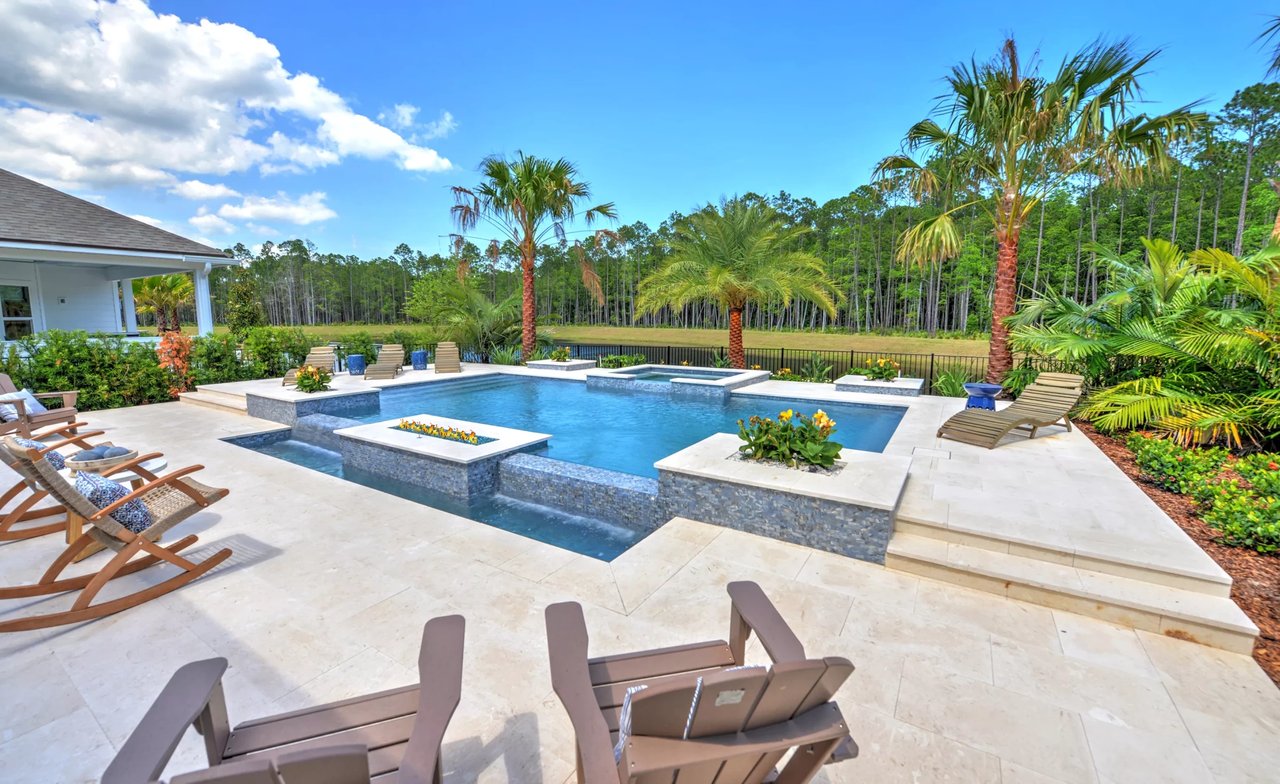
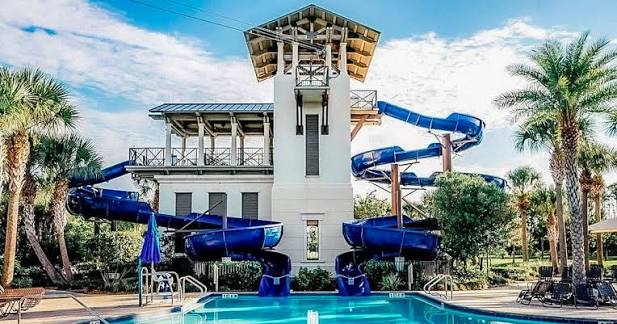

And Every Single One Is Worth the Drive

Whether you're buying your first home, upgrading, or investing, Lorilei ensures you get the best options and the right deal. With a personalized approach, you’re guided every step of the way—from property search to closing—making the entire process smooth and stress-free.